What to Do When Best Padres Players Goes Wrong
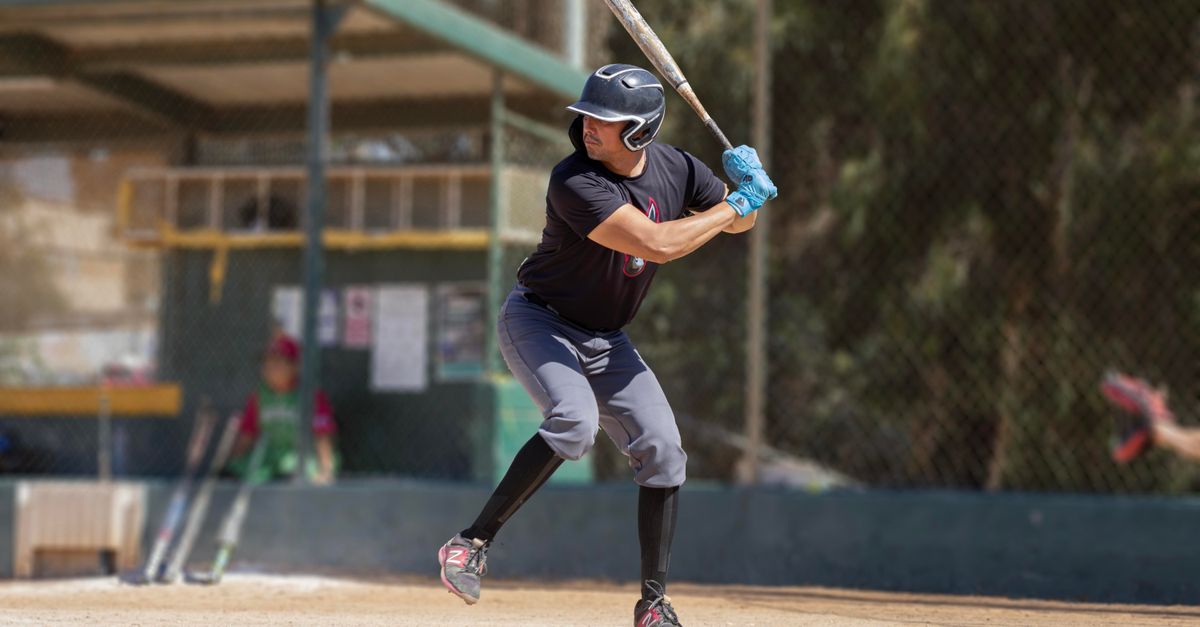
Let’s be real: even the best Padres players go wrong sometimes. Fernando Tatis Jr. misses time. Juan Soto looks human for a stretch. Dylan Cease gives up six runs in three innings. It happens. What matters isn’t the stumble—it’s how you respond as a fan, a fantasy manager, or just someone who bleeds brown and gold. This isn’t about panic. It’s about perspective, patience, and knowing where to look when the best Padres players go wrong—and how to reset without losing faith in the pulse of the team.
Why Even Elite Players Hit Rough Patches
Baseball is built on variance. A .300 hitter fails seven out of ten times. A 2.80 ERA pitcher can have a 9.00 outing before breakfast. When the best Padres players go wrong, it’s rarely about talent—it’s often timing, health, adjustment, or plain old randomness. Think of Manny Machado’s slow Aprils or Ha-Seong Kim’s early-season defensive lapses. These aren’t red flags; they’re data points in a longer arc. The Padres’ lineup depth and coaching staff are designed to absorb these dips—not erase them, but manage them. And that’s key: managing expectations starts with understanding why the dip happened—not just that it did.
What to Watch (Beyond the Box Score)
When the best Padres players go wrong, don’t just scroll to the stat line. Dig deeper. Is Tatis swinging at more first-pitch fastballs? Is Soto chasing sliders low and away? Are bullpen arms showing slower arm speed on warmup throws? Tools like Statcast, Baseball Savant, and even local beat reporters’ notes help separate noise from signal. Also watch body language—how a player moves between innings, how they interact with coaches, whether they’re taking extra BP or adjusting their routine. These cues often precede the turnaround. Padres Pulse readers know: the story isn’t always in the numbers—it’s in the rhythm.
How the Team Adjusts Behind the Scenes
San Diego’s front office doesn’t wait for headlines to act. When the best Padres players go wrong, internal adjustments happen fast—sometimes quietly. That might mean shifting Tatis to DH for two days to reset his swing path. Or giving Soto an extra day off during a West Coast road trip to manage fatigue. Or reworking Cease’s bullpen usage to align with his pitch efficiency windows. The Padres’ analytics team works hand-in-hand with position coaches and trainers—not to overhaul identities, but to fine-tune conditions for success. You won’t see press releases about it. But if you follow Padres Pulse closely, you’ll spot the patterns before the stats catch up.
Staying Connected Without Losing Your Cool
It’s okay to feel frustrated—but not to disengage. When the best Padres players go wrong, some fans mute notifications, skip games, or vent endlessly online. Others double down: they reread prospect reports, study minor-league call-ups, or join community forums like Padres Pulse to trade grounded takes—not hot takes. Try this: pick one player you trust (not just the star) and follow their daily process—not just results. Watch how Eguy Rosario prepares before pinch-hit appearances. Notice how Robert Suarez resets after a blown save. That kind of attention builds resilience. Because fandom isn’t about perfection. It’s about presence—even when things get messy.
Frequently asked questions
How long should I wait before worrying when a top Padre struggles?
Three to five games is normal noise. Two straight weeks below baseline—especially with mechanical or physical signs—is worth watching closely. But remember: even the best Padres players go wrong in cycles. Patience isn’t passive—it’s informed.
Are injuries more common among San Diego’s star players lately?
Not statistically more than league average—but high-usage players like Tatis and Soto draw more scrutiny. The Padres’ medical and strength staff prioritize load management, which means some ‘injuries’ are actually strategic rest. Context matters.
What’s the biggest mistake fans make when the best Padres players go wrong?
Assuming regression = decline. Most slumps are temporary recalibrations—not career shifts. Jumping to trade demands or roster overhauls ignores how baseball actually works: players adapt, opponents adjust, and timing shifts constantly.
Can I still trust fantasy baseball picks when the best Padres players go wrong?
Yes—but pivot smartly. If Soto’s in a 10-game slump, look at his underlying contact quality or expected stats (xwOBA). Pair him with a rising bench bat like Jackson Merrill. Trust process over recent results—and lean on Padres Pulse for grounded analysis, not hype.